Tech4Biz Solutions
Tech4Biz Solutions is an engineering company working in AI, software, cloud and hardware: history, capabilities, engineering method, case files, platforms and publications.
This is the main page of the Tech4Biz Wiki. To browse by subject, see Case files, Capabilities, Systems, Showcase, Research.
| Tech4Biz Solutions | |
|---|---|
 |
|
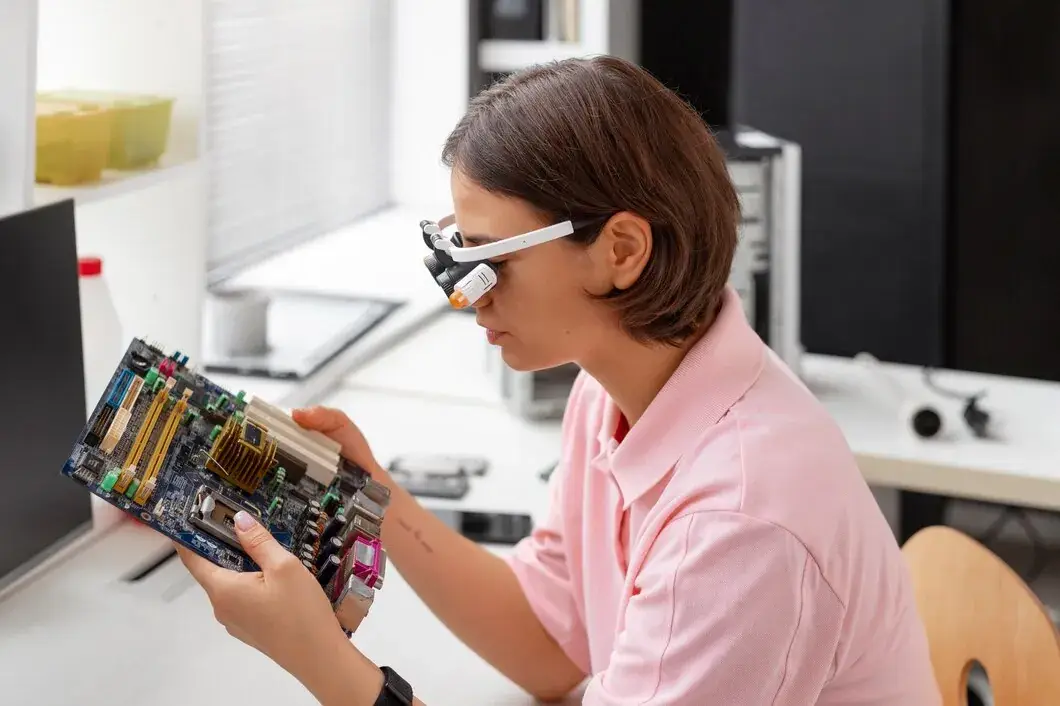
 Components on a circuit board. Illustrative photograph from tech4bizsolutions.com. |
|
| Company type | Private limited company |
| Industry | Engineering: AI, software, cloud and hardware |
| Founded | 2016[1] |
| Co-founder and CEO | Yasha Khandelwal |
| Headquarters | Bengaluru, India |
| Also in | Atlanta, United States |
| Area served | United States, Europe and India |
| Platforms | Cloudtopiaa, Codenuk |
| Products | Vigil, Warden, Attest, Forge |
| Assessment practice | AudiTraxLabs |
| Patents | 7+ filed[2] |
| Website | tech4bizsolutions.com |
Tech4Biz Solutions is an engineering company that builds high-stakes systems in AI, software, cloud and hardware.[1] Founded in 2016 in Bengaluru, India, it is also present in Atlanta and delivers for clients in the United States, Europe and India.[1]
The company’s work spans five layers: silicon and systems, infrastructure, software, intelligence, assurance. Its stated aim is to build systems in which the decisions that matter are “provable, not just probable”.[1] A recurring design in its regulated work puts a deterministic rule engine behind a language model: the model reads and drafts, versioned rules decide, and a person validates.[3][4]
Tech4Biz operates the Cloudtopiaa cloud platform and the Codenuk code-generation service, and runs the AudiTraxLabs assessment practice. It publishes software tools with source code, a controlled study of AI code generation and a book by its chief executive.[5][6][7]
History
Founding
Tech4Biz was founded in Bengaluru in 2016.[1] Its guiding belief is that “nothing refuses to be understood if you pay it enough attention”: a fault that looks like a software problem may turn out to be firmware timing, so the team follows a problem through every layer it touches.[1]
Oxygen concentrator (2020)
In 2020, when oxygen concentrators were urgently needed in India, the team bought the best machine it could obtain, dismantled it, scanned it in three dimensions and studied its physics.[1] It then designed its own unit, with sieve beds designed and moulded for manufacture and every part chosen for production. The compact unit was ready for production but was never put on sale.[1]
Building a cloud
To test its understanding of cloud infrastructure, the company took space in a Tier-4 data centre in India, bought the class of servers used by major clouds and engineered and hardened its own control plane.[1] The platform, Cloudtopiaa, runs customer workloads.[8]
Recent developments
| Date | Event |
|---|---|
| 14 November 2026 | The AI Chip Integrity Suite adds the AMD Instinct MI300X, its ninth measured chip[9] |
| 11 November 2026 | agmi 0.7.0 released, adding erasure resurrection as its tenth edit[10] |
| 1 November 2026 | agmi's test method re-filed as the Internet-Draft draft-khandelwal-bpm-agent-memory-integrity-00[11] |
| 27 October 2026 | ricproof 0.2.0 published, with two Open RAN rows[12] |
| 24 October 2026 | ridethrough 0.6.0 and AI Chip Integrity Suite 0.5.0 released[13][14] |
| September 2026 | agmi published[10] |
| September 2026 | Talk on sovereign AI deployment at the Nasscom Agentic AI Confluence, Bengaluru.[15] |
| September 2026 | Campus private cloud announced for Vidyavardhaka College of Engineering, Mysuru.[16] |
| April 2026 | Codenuk selected for Cohort 4 of the Nasscom GenAI Foundry, as one of 33 startups.[17] |
| February 2026 | Panel on open-source AI at the India AI Impact Summit, New Delhi.[18] |
| January 2025 | Partnership with Spurrin Innovation to advance AI-driven healthcare in India and the Middle East.[19] |
Engineering capabilities
Main article: Capabilities
The company organises its work as a stack of five disciplines, so that a problem does not stop at the boundary between hardware, infrastructure and software.
- L5 Assurance Compliance engineering, governance and technical due diligence
- L4 Intelligence Models and agents bounded by deterministic checks, evaluation and policy
- L3 Software Product engineering, verified modernisation and project rescue
- L2 Infrastructure Data centres, private and sovereign cloud, GPU and HPC clusters
- L1 Silicon and systems Boards, FPGA and VLSI, firmware and industrial devices
Silicon and systems
Software is only as reliable as the hardware it runs on. Published hardware work includes dashcam hardware on an automotive vision system-on-chip, an FPGA board, and a secure-boot gateway joining eight CAN and CAN FD channels to two automotive Ethernet ports.[1] The company also reports four solutions built on a single FPGA module for running language models at the edge.[1]
| Capability | Scope |
|---|---|
| Hardware design and engineering | PCB, embedded systems, FPGA and VLSI under one roof. Hardware engineering from schematic to production, integrated with the software above it. |
| Embedded systems design | Firmware, RTOS work, low-power design and hardware-in-the-loop testing. Embedded engineering for devices that have to keep working in the field. |
| Industrial IoT development | Industrial IoT on open standards: OCPP, unified namespace architectures, edge-to-cloud telemetry, and analytics that survive real field data. |
Infrastructure
Sovereignty means being able to audit and operate the whole stack yourself. Infrastructure design covers private and public cloud, HPC clusters, AI training and inference, GPU as a service, and power and liquid cooling for racks of 40 kW and above.[8]
| Capability | Scope |
|---|---|
| Sovereign AI infrastructure | Sovereign AI and data center environments designed, built and operated by one team, in the jurisdiction the regulator requires. |
| Private cloud design and engineering | We design and run cloud infrastructure deliberately, from platform engineering to full data center design. Our own cloud runs on Tier-4 infrastructure. |
Software
Systems that keep working after the project team has left. For legacy migration, a verifier generates regression tests and flags every behaviour it cannot show to match. The company reports 14 customer COBOL systems of about 0.2 million lines, 8,700 tests and 412 semantic mismatches flagged.[20]
| Capability | Scope |
|---|---|
| Product engineering for hard problems | Architecture to production for funded teams building something hard. Senior engineering across software, AI, cloud and hardware under one roof. |
| Specification-driven delivery | Turning a specification into bounded, reviewable work before any code is generated, so AI-assisted delivery produces a system somebody can maintain. |
| Legacy application modernization | Modernize legacy systems without stopping the business. |
| Oracle Forms migration engineering | Oracle Forms 6i, 10g, 11g and 12c and PL/SQL migration for consultancies and systems integrators, delivered under your brand. |
| Software project rescue | Delivery stuck, codebase drifting, or the last team gone? We stabilize failing software projects and rebuild confidence release by release. |
| Enterprise readiness for regulated buyers | Your product works. Procurement at a bank says no. We build the licensing, identity, audit and deployment layer that regulated buyers require. |
| Real-time 3D and spatial interfaces | Real-time 3D product configurators, digital twins and spatial interfaces, engineered to run in a browser on the hardware customers actually own. |
Intelligence
Models and agents designed around data access, evaluation, policy and accountability. An enterprise assistant described by the company answers from live data through a read-only query service with 11 actions, searching 17,295 wiki documents.[1]
| Capability | Scope |
|---|---|
| AI with deterministic gates | Automating regulated paperwork where a wrong answer is expensive: the model drafts, deterministic rules decide. |
| Agentic AI assurance and security | Testing what an agent remembers, accepts and acts on. Memory integrity, retrieval poisoning and tool-use boundaries, measured against a public rulebook. |
| AI assurance and independent verification | Independent verification that an AI system does what it claims: served-model checks, evaluation evidence, and audit trails that survive a regulator. |
| AI development for regulated industries | We build AI systems for healthcare, finance and industrial settings where a confident wrong answer is expensive. Deterministic, verifiable, audit-ready. |
Assurance
Compliance is easiest when the evidence builds itself.
| Capability | Scope |
|---|---|
| Compliance engineering (DPDP and AI governance) | We build DPDP and AI governance compliance into production systems. Free readiness scorecard, sector benchmarking, and end-to-end compliance engineering. |
| AI governance engineering | We build AI governance into production: system inventory, risk classification, data controls, technical documentation, human oversight. |
| DPDP compliance implementation | We build DPDP compliance into production systems: data inventory, consent architecture, retention and erasure automation. |
| Cybersecurity solutions | Incident response after a breach, from forensics and exposure to fixes proven by replaying the attack. |
| Technical due diligence for hardware and software | Independent technical due diligence for private equity, venture investors and acquirers. |
Engineering method
Main article: Engineering method
Where a wrong answer is costly, the company separates reading from deciding. A language model extracts facts or drafts a result; a rule engine built from the published policy or specification makes the decision; a person validates what matters; and the inputs and outcome are recorded so that the decision can be replayed.[3][4]
- Source The published policy or specification
- Model Reads, extracts and drafts
- Deterministic gate Applies versioned rules and decides
- Person Validates what matters
- Record Replayable inputs and outcome
The company states four principles:[1]
- Provable: decisions that matter should be shown, not merely trusted.
- Honest: recommendations come with reasons and costs, including a recommendation not to hire the company.
- Published: tools and benchmarks are public, so that claims can be checked.
- Durable: systems are engineered for the year they run alone in production.
Notable engineering work
Main article: Case files
Compliance assurance (APRA CPS 230)
A multi-tenant assurance platform for the Australian operational-resilience standard CPS 230 serves operations, compliance and internal audit. A model extracts structured facts, a deterministic engine decides, and a reviewer validates each item, including those that pass; an insert-only trail records the inputs and rule version.[3] The engine has been proven on synthetic data and the platform is in active development.[3]
Medical claim checking (HIPAA)
For a United States specialty practice, claims are checked before submission by rule tables built from four major payers’ published policies, about 1,250 rules. A separate reasoning layer reads prose criteria and cannot overrule the rule gate.[4] The system is in final user acceptance testing.[4]
Regulated quality system (GxP)
A multi-tenant quality platform for life sciences builds the audit trail, electronic signatures and document lifecycle once, as the foundation of every module. Effective documents are never edited in place, and every version is stored with a SHA-256 content hash.[21] It was delivered across 22 phases.[21]
Cross-vendor reliability
On high-traffic streaming platforms, telemetry from every vendor is placed on one timeline to find failures that form between systems while each looks healthy on its own. Prediction is built up in stages: correlation, anomaly detection, failure signatures, then predictive models.[22] The work runs in production; details are under non-disclosure.[22]
Campus private cloud (VVCE, Mysuru)
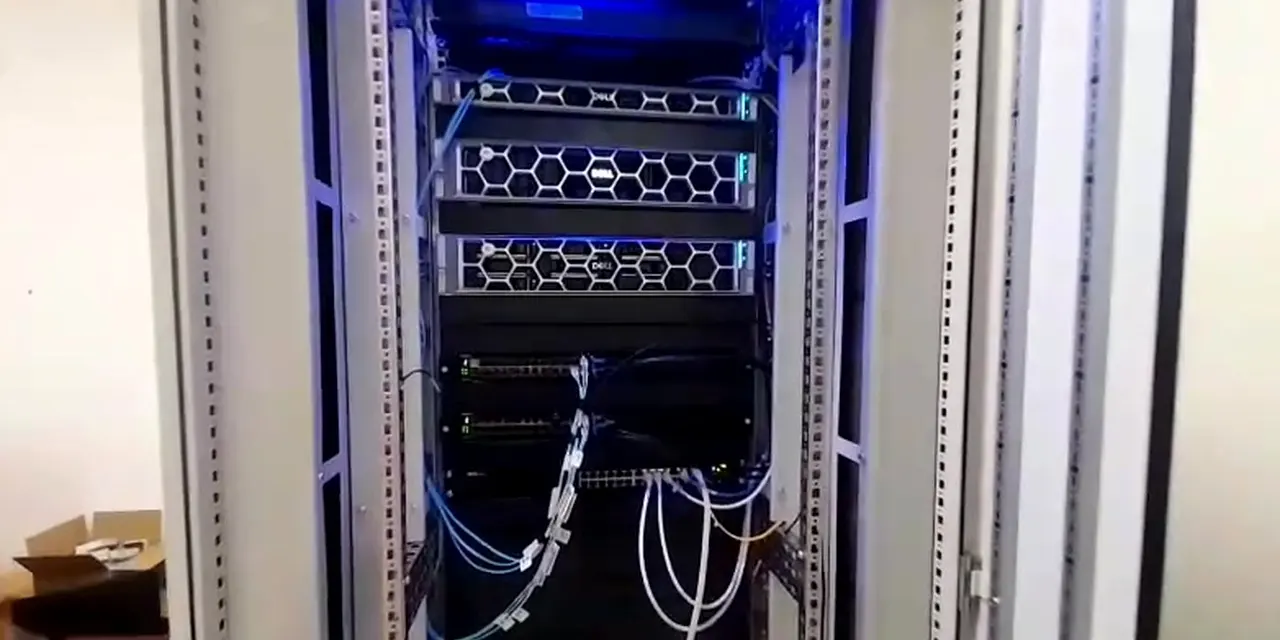
Vidyavardhaka College of Engineering is building a private cloud for its laboratories in place of public cloud credits: Dell compute, dedicated storage, two NVIDIA L40S GPUs and redundancy across power, cooling, network and storage. The programme covers 22 labs over three years, beginning with 14 engineering labs.[16] It is in delivery. The cloudtopiaa.com project page describes it as live with different figures; this article follows the newsroom release.[16]
Engineering problems and reported results
| Engineering question | How it was answered | Reported result |
|---|---|---|
| Where must a model’s judgment stop? | Bank control assurance: the model reads, a deterministic engine decides | 12 services; 3 lines of defence; proof of concept in 5 sprints[1] |
| Can rules carry insurer policy? | Medical claims: policies encoded and checked before sending | 701 canonical cases; about 1,250 rules; 4 insurers’ policy sets[1] |
| How fast can regulated work move while every version stays provable? | GxP quality management on a shared compliance foundation | First backend in 7 days; main portal in 2 weeks; more than 22 phases[1] |
| Does migrated code behave like the original? | COBOL verifier: regression tests, with the unprovable flagged | 14 systems; 8,700 tests; 412 mismatches flagged[20] |
| Do you go below the software? | Vehicle and board hardware, including a secure CAN FD gateway | 8 CAN and CAN FD channels; 2 automotive Ethernet ports[1] |
| Can AI run without a cloud? | Edge inference: language models fitted to FPGA limits | 4 solutions on one FPGA module[1] |
The figures are as the company reports them.
Research and development showcase
Main article: Showcase
The company’s showcase held 203 items when collected in November 2026, 46 of them with downloadable documents: case studies, reference architectures, demonstrations and presentations, including work in automotive, agriculture, fintech and industrial security.[23] It includes reference designs and proposals as well as client work, so each item states its own status.
 Field Service Copilot
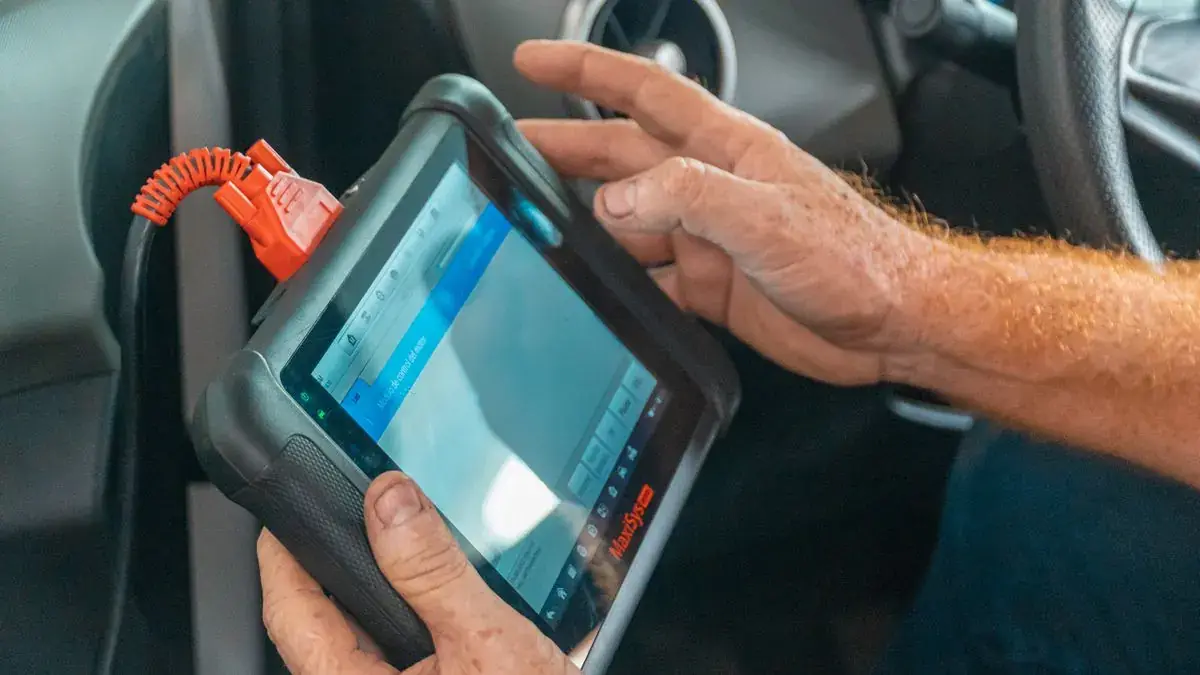 On-Vehicle Voice & Diagnostic Assistant
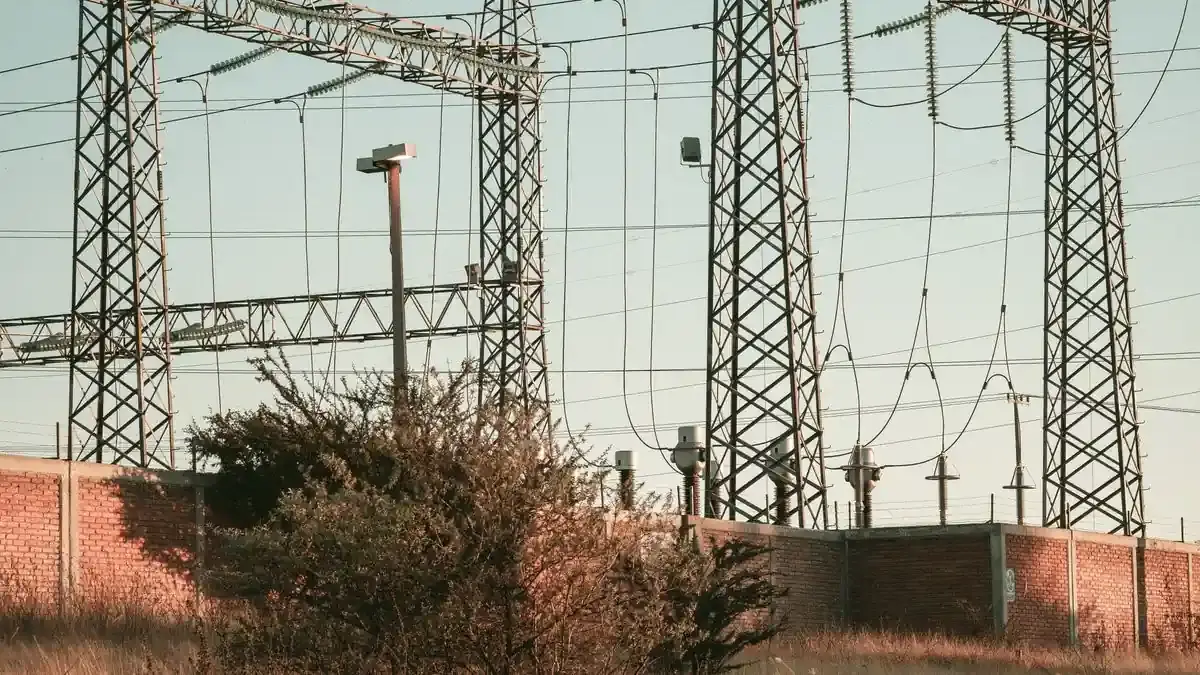 Securing a Power Grid Operator from Nation-State Attacks
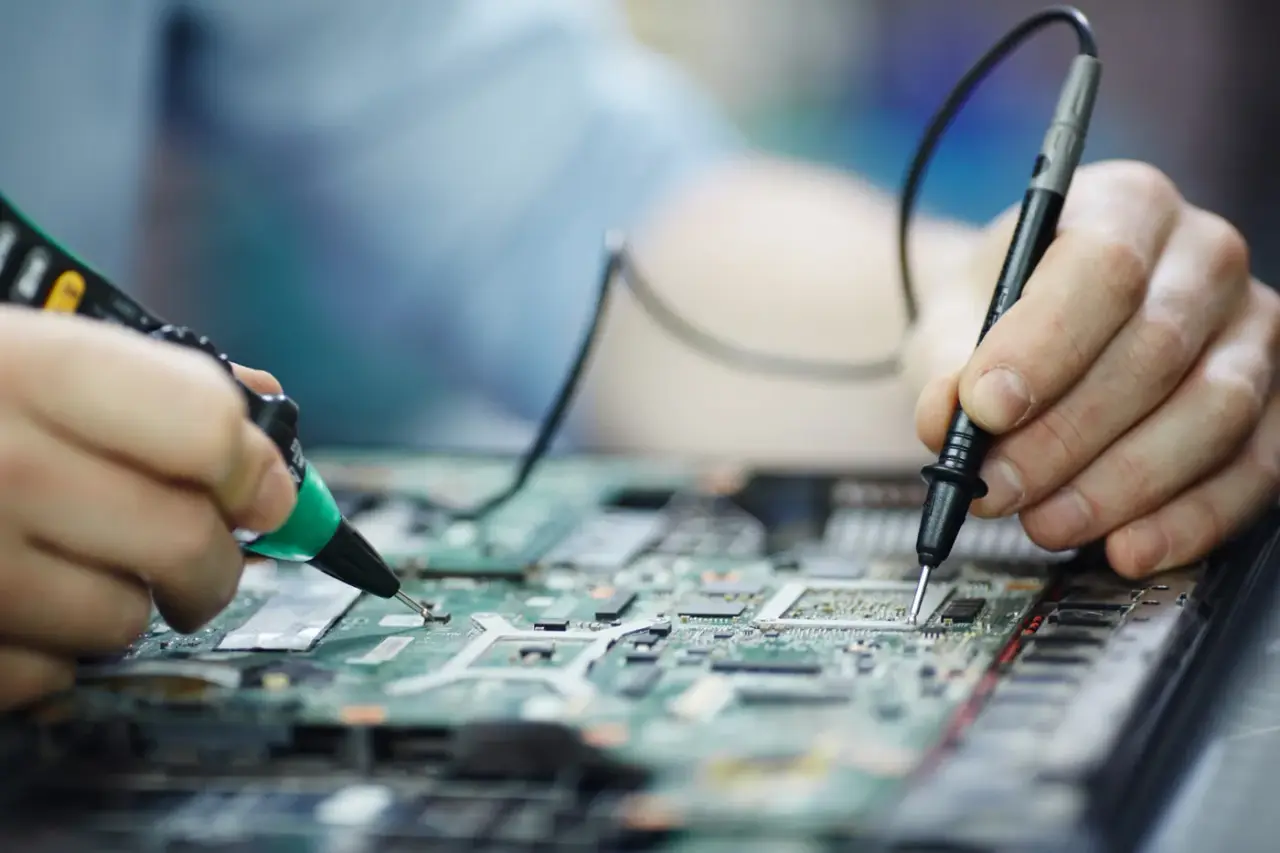 FPGA-Based Cybersecurity Threat Detection System
 EV Charging System PCB Design and Fabrication
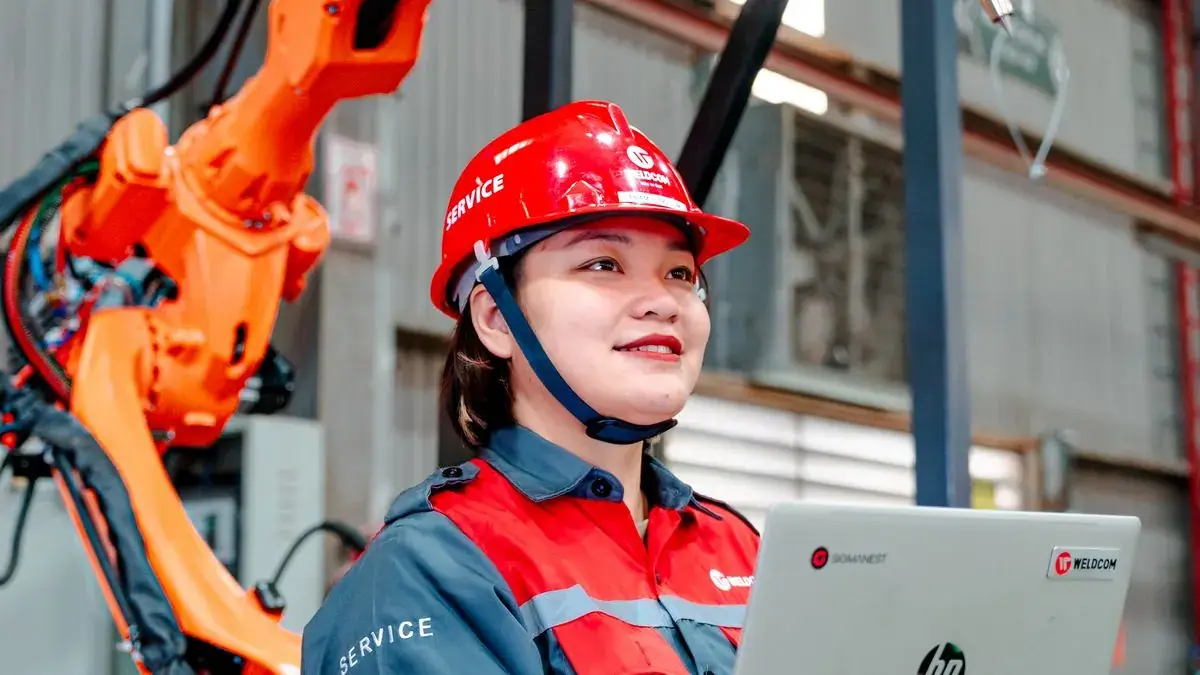 Autonomous Industrial Digital Twin
Platforms and products
Main article: Systems
Cloudtopiaa
Cloudtopiaa sells cloud capacity by the month, including virtual machines, object and block storage, managed databases, load balancing, managed Kubernetes and backup, and has an engineering team that designs the infrastructure and facilities beneath it. It reports more than 10 private clouds deployed, 25 AI and accelerated builds and 40 workload migrations, with a 99.95% availability target on managed platforms.[8]
AudiTraxLabs
AudiTraxLabs examines technology from the outside through three assessments: technology due diligence, sovereign AI cloud design and run cost, and AI governance and security. Scoring rubrics are published before use, and its fee does not depend on what the client decides to do.[24]
Codenuk
Codenuk treats a software requirements specification as the contract. From a specification of up to 20 MB it deterministically generates a Node.js and PostgreSQL backend with tests, priced once per project.[25]
Other products
| Product | What it does |
|---|---|
| Vigil | Reads traces, metrics and logs together to flag a slowdown early and link each alert to the release and system behind it |
| Warden | A safety layer for AI agents that checks what an agent reads and which rules it follows, and holds important actions for a named person’s approval |
| Attest | A quality and compliance system that links documents, deviations, fixes and sign-offs as work happens |
| Forge | The hardware engineering team for boards, embedded systems and devices |
Published software
Main article: Open engineering
The company publishes tools with their source code.[5] Not all are open source in the strict sense.
| Project | Purpose | Licence |
|---|---|---|
| Determ8 | Deterministic gate pipeline for AI agents: the same candidate and specification give the same verdict | Apache 2.0 (open core) |
| Checkpnt | Immutable checkpoints so that an agent can resume where it stopped | Business Source License 1.1 (source-available) |
| Suryamon | Health monitoring for solar power plants | Apache 2.0 |
| orbital-compute-budget | Compute available to a data centre in low Earth orbit | MIT |
| agmi | Conformance suite for tamper evidence in AI agent memory[10] | MIT |
| AI Chip Integrity Suite | Open tester for silent computation errors in AI chips[9] | MIT |
| ridethrough | Open grader for data center voltage ride-through claims[26] | MIT |
| ricproof | Control-loop evidence suite for Open RAN RICs[27] | MIT |
Publications and research
Main articles: Publications, Research
AI from First Principles, by Yasha Khandelwal, is volume one of the AI Mastery Series.[7]
A 2026 controlled study asked one AI model to build the same backend module six times, changing only the input. The three runs given a completed specification kit reached 242 passing tests in total against 67 for the three given the original requirements, and invented no business decisions.[6]
Research notes include “Who verifies the verifier?”, “Your AI agent will eventually do something it shouldn’t” and “Can an AI training run shake the power grid?”.
| Title | Author | Where |
|---|---|---|
| Tamper Evidence in AI Agent Memory Stores: A Conformance Suite and Three Measurements[28] | Yasha Khandelwal, 2026 | Zenodo, SSRN |
| draft-khandelwal-bpm-agent-memory-integrity-00, a test method for at-rest tampering of AI agent memory (individual Internet-Draft)[11] | Yasha Khandelwal, 2026 | IETF Datatracker |
See also
- About Tech4Biz Solutions
- Case files
- Capabilities
- Systems
- Engineering method
- Showcase
- Research
- Open engineering
- Publications
References
Tech4Biz Solutions, "About". ↩︎ ↩︎ ↩︎ ↩︎ ↩︎ ↩︎ ↩︎ ↩︎ ↩︎ ↩︎ ↩︎ ↩︎ ↩︎ ↩︎ ↩︎ ↩︎ ↩︎ ↩︎
Tech4Biz Solutions, HIPAA medical billing case study. ↩︎ ↩︎ ↩︎ ↩︎
Khandelwal, Yasha (2026). "Specification Completeness, Not Model Capability, Determines the Reliability of LLM-Generated Backend Code". doi:10.5281/zenodo.21853680. ↩︎ ↩︎
AI Chip Integrity Suite (ai-chip-integrity), repository, GitHub. ↩︎ ↩︎
agmi (agent-memory-integrity), repository and scorecard, GitHub. ↩︎ ↩︎ ↩︎
draft-khandelwal-bpm-agent-memory-integrity, IETF Datatracker. ↩︎ ↩︎
ridethrough, software record. doi:10.5281/zenodo.23622860. ↩︎
AI Chip Integrity Suite, software record. doi:10.5281/zenodo.23613283. ↩︎
Tech4Biz Solutions newsroom, "Nasscom Agentic AI Confluence". ↩︎
Tech4Biz Solutions newsroom, "VVCE private cloud labs", 5 September 2026. ↩︎ ↩︎ ↩︎
Tech4Biz Solutions newsroom, "Nasscom GenAI Foundry Cohort 4". ↩︎
Tech4Biz Solutions newsroom, "India AI Impact Summit 2026". ↩︎
Tech4Biz Solutions, press release on the partnership with Spurrin Innovation. ↩︎
Tech4Biz Solutions, "AI can migrate your COBOL to Java. It can’t prove it didn’t break anything". ↩︎ ↩︎
Tech4Biz Solutions, cross-vendor observability case study. ↩︎ ↩︎
Tech4Biz Solutions, research and development showcase, collected 26 November 2026. ↩︎
Khandelwal, Yasha (2026). "Tamper Evidence in AI Agent Memory Stores: A Conformance Suite and Three Measurements". doi:10.5281/zenodo.22995111. ↩︎