Decentralized Edge Computing Solutions for Manufacturing
This case study sets out how edge computing can move control and analysis from a central system to devices on the factory floor.
| Showcase record | |
|---|---|
| Showcase category | Case studies |
| Industry | Manufacturing |
| Published | 29 October 2019 |
This case study sets out how edge computing can move control and analysis from a central system to devices on the factory floor.
At a glance
| The problem | Centralised control systems add delay and respond slowly where decisions are needed in milliseconds. |
| The approach | Edge devices placed across the plant take in sensor and PLC data, analyse it locally, run local control and machine learning models, talk to each other, keep history and give operators local screens. |
| Technology | Edge computing devices, PLC and sensor integration, on-device machine learning and edge-based human-machine interfaces. |
| Expected benefits | Lower latency, better efficiency, easier scaling and resilience when parts of the system fail. The study gives no measured figures. |
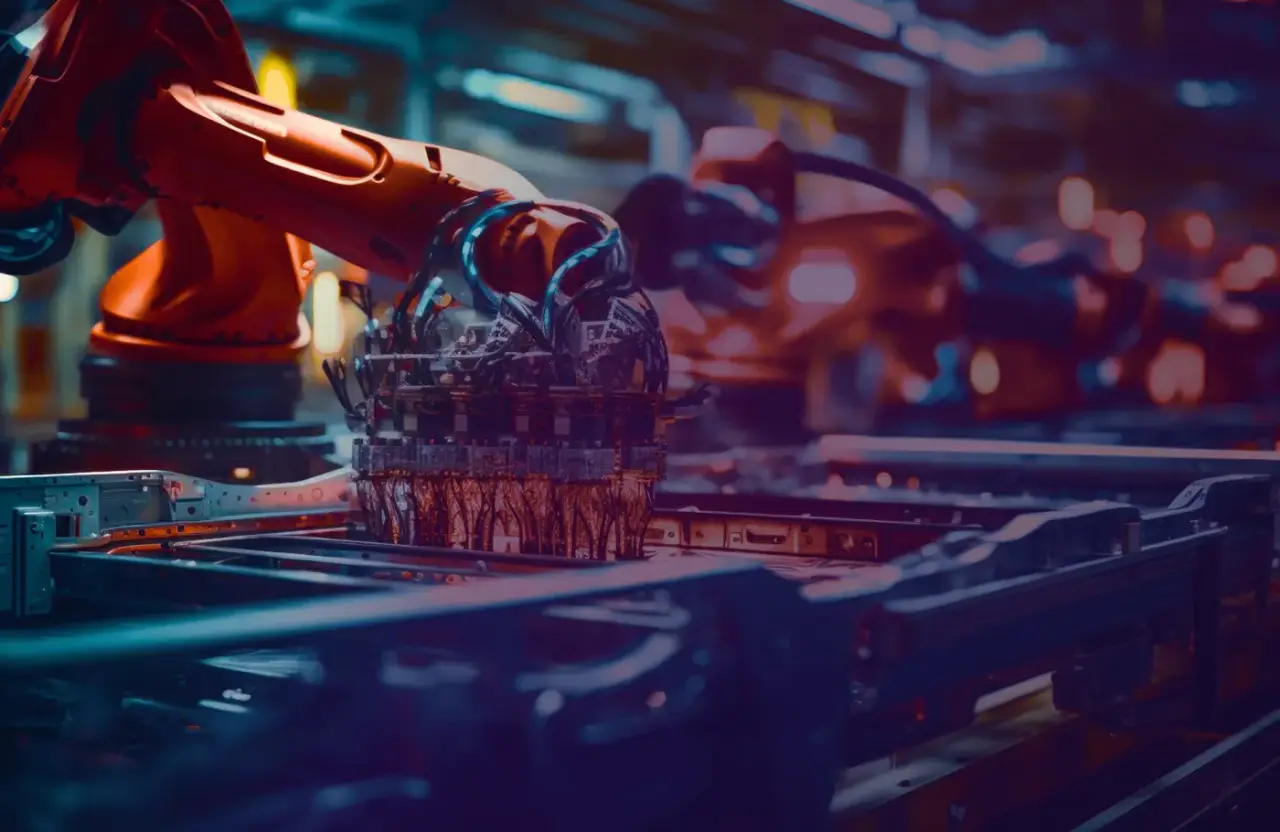
Decentralized Processing with Edge Computing in Manufacturing
A Comprehensive Case Study on Implementing Decentralized Processing with Edge Computing in Manufacturing
In the fast-paced world of manufacturing, where every millisecond counts and adaptability is key, traditional centralized control systems often fall short.
The need for real-time decision-making, reduced latency, and enhanced operational efficiency has paved the way for a revolutionary approach – decentralized processing with Edge Computing.
By strategically deploying Edge Computing devices across the factory floor, manufacturing facilities can usher in a new era of responsiveness, agility, and optimization.
Problem Statement
Conventional manufacturing processes, reliant on centralized control systems, grapple with latency issues and diminished responsiveness. In an industry where split-second decisions can make or break efficiency, the imperative for decentralized processing is clear. Edge Computing emerges as the solution, offering the promise of local decision-making, reduced latency and enhanced efficiency across the factory floor.
Solution Overview
The solution lies in the strategic deployment of Edge Computing devices throughout the manufacturing environment, each serving as a decentralized processing hub. These devices, equipped with processing power, storage, and communication capabilities, empower local decision-making, reduce reliance on centralized control, and unlock new realms of efficiency and agility.
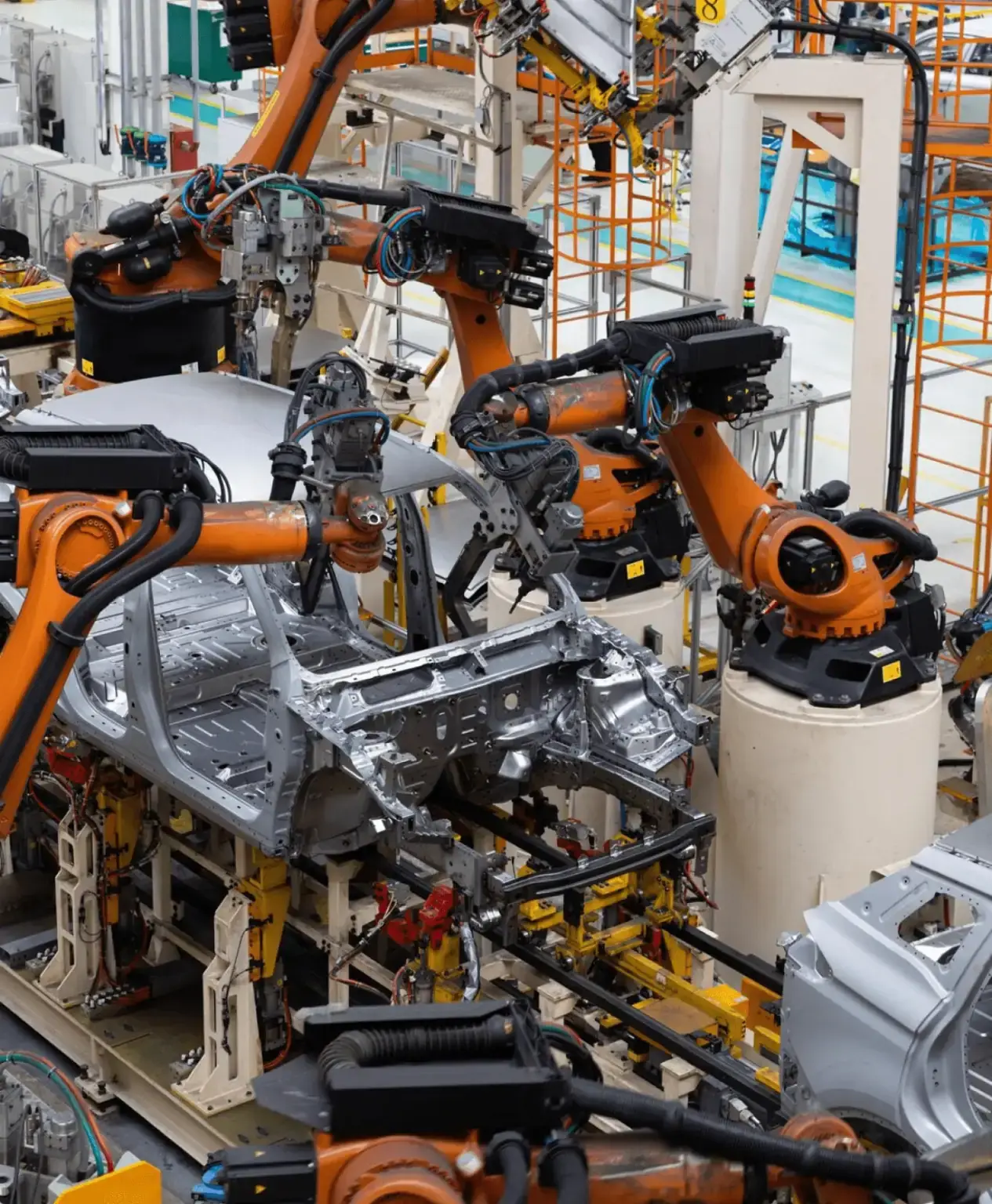
Technical Architecture
Edge Devices on the Factory Floor
Strategically deploy Edge Computing devices across the factory floor, enhancing local processing capabilities and reducing data transfer latency.
Decentralized Control Systems
Implement decentralized control systems on Edge Computing devices, enabling local management and optimization of processes and machines.
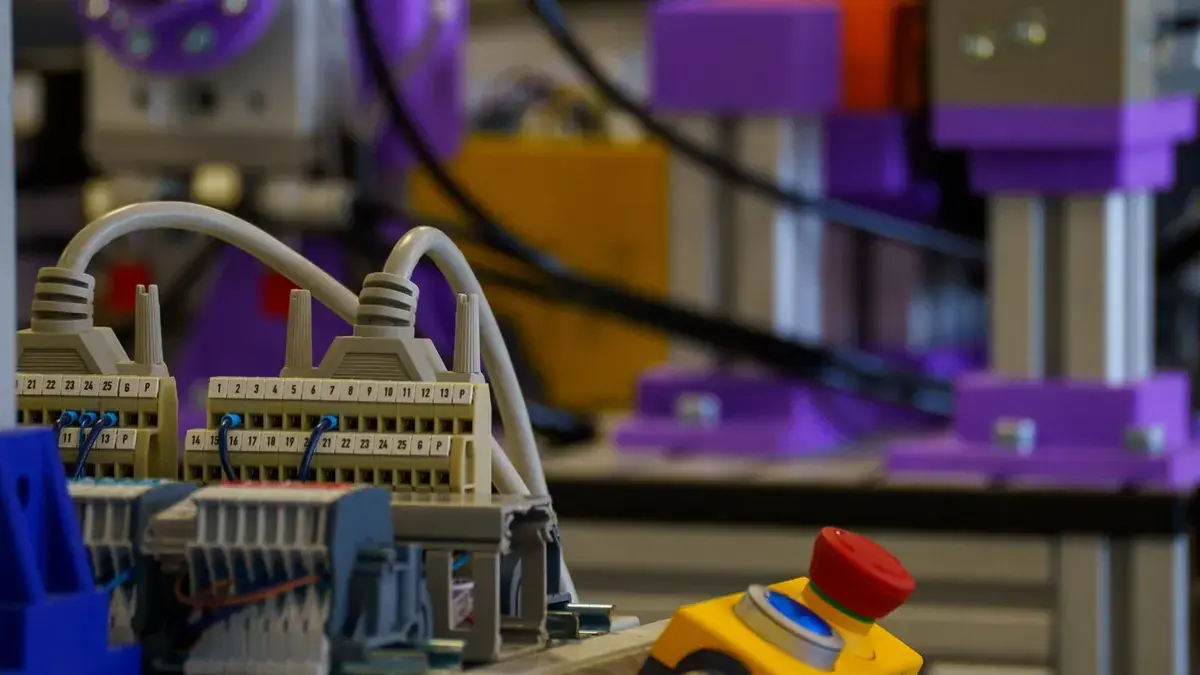
Real-time Data Ingestion
Enable real-time data ingestion from sensors, PLCs, and machines into Edge Computing devices, supporting local decisions without reliance on centralized servers.
Local Data Processing and Analytics
Implement data processing and analytics algorithms on Edge Computing devices to monitor machine health, detect anomalies and optimize production processes in real-time.
Edge-to-Edge Communication
Establish efficient communication channels between Edge Computing devices to enable collaboration and coordination for tasks such as material handling and quality control.
Decentralized Machine Learning Models
Deploy machine learning models on Edge Computing devices for predictive maintenance, quality prediction and process optimization, adapting to local conditions for continuous improvement.
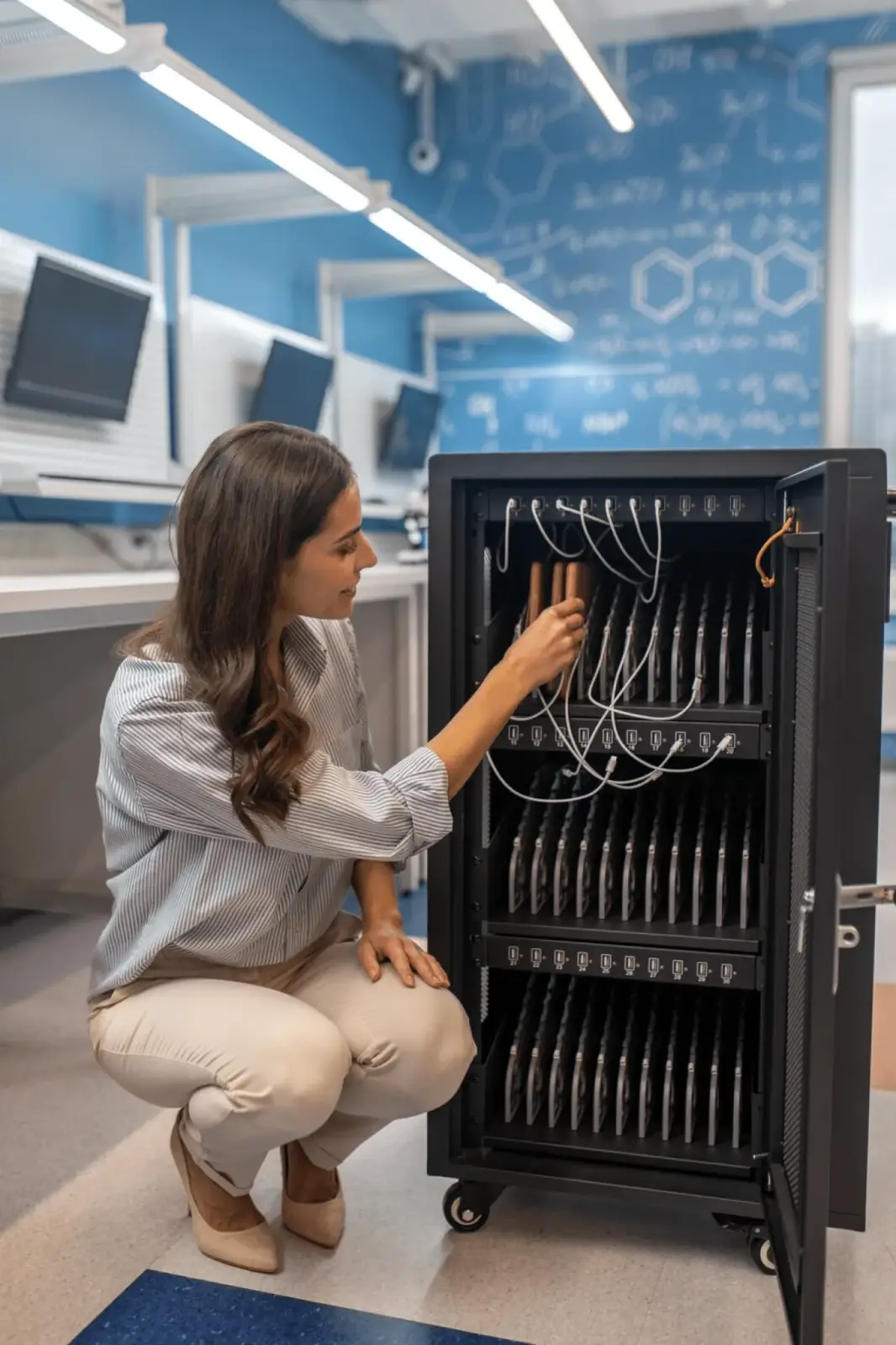
Local Storage for Historical Data
Utilize local storage on Edge Computing devices to store historical data for analysis, reporting, and long-term optimization.
Edge-based Human-Machine Interface (HMI)
Develop local HMIs on Edge Computing devices to provide real-time monitoring and control for operators, enhancing responsiveness and reducing reliance on centralized control rooms.
Benefits
Reduced Latency
Decentralized processing minimizes latency, enabling real-time decision-making critical for manufacturing operations.
Improved Operational Efficiency
Localized control and optimization lead to improved efficiency as decisions are made closer to the point of action.
Enhanced Scalability
The decentralized approach allows for scalable deployment, adapting to changes in the manufacturing environment.
Increased Resilience
Edge Computing devices operate independently, enhancing system resilience and minimizing disruptions.
Adaptive Manufacturing Processes
Decentralized control systems adapt manufacturing processes based on real-time data, improving adaptability.
Cost-effective Infrastructure
Edge Computing devices offer a cost-effective alternative to extensive centralized infrastructure.
Quick Response to Anomalies
Edge Computing devices offer a cost-effective alternative to extensive centralized infrastructure.
Empowered Decision-makers
Operators are empowered with real-time data and control, enabling informed decisions at the floor level.
Conclusion
In the dynamic realm of manufacturing, decentralized processing with Edge Computing emerges as a game-changer. By distributing intelligence across the factory floor, this approach enhances efficiency, reduces latency, and fosters a more adaptive and responsive manufacturing environment. This use case underscores the technical feasibility and practical advantages of leveraging Edge Computing for decentralized processing, paving the way for a transformative journey in the manufacturing sector.
Please View the case study in the form of pdf

Source
- Tech4Biz Showcase, collected on 26 November 2026.