FPGA-Based Cybersecurity Threat Detection System
Project Background With the growing complexity and frequency of cyberattacks, traditional software-based security solutions often struggle to provide the speed and efficiency required to mitigate threats in real-time. To
| Showcase record | |
|---|---|
| Showcase category | Case studies |
| Industry | Cybersecurity & Infrastructure |
| Published | 8 January 2022 |

Project Background
With the growing complexity and frequency of cyberattacks, traditional software-based security solutions often struggle to provide the speed and efficiency required to mitigate threats in real-time. To address this challenge, Tech4Biz Solutions embarked on developing a hardware-based cybersecurity solution capable of delivering high-speed threat detection and low-latency response without compromising system performance.
Objective
The primary objective of the project was to design a robust hardware security system that can:
- Monitor and detect a wide range of cybersecurity threats in real-time
- Operate independently without affecting the performance of the host system
- Provide a scalable and customizable platform for different cybersecurity applications
- Ensure minimal false positives with high detection accuracy
Solution Architecture
Hardware Design
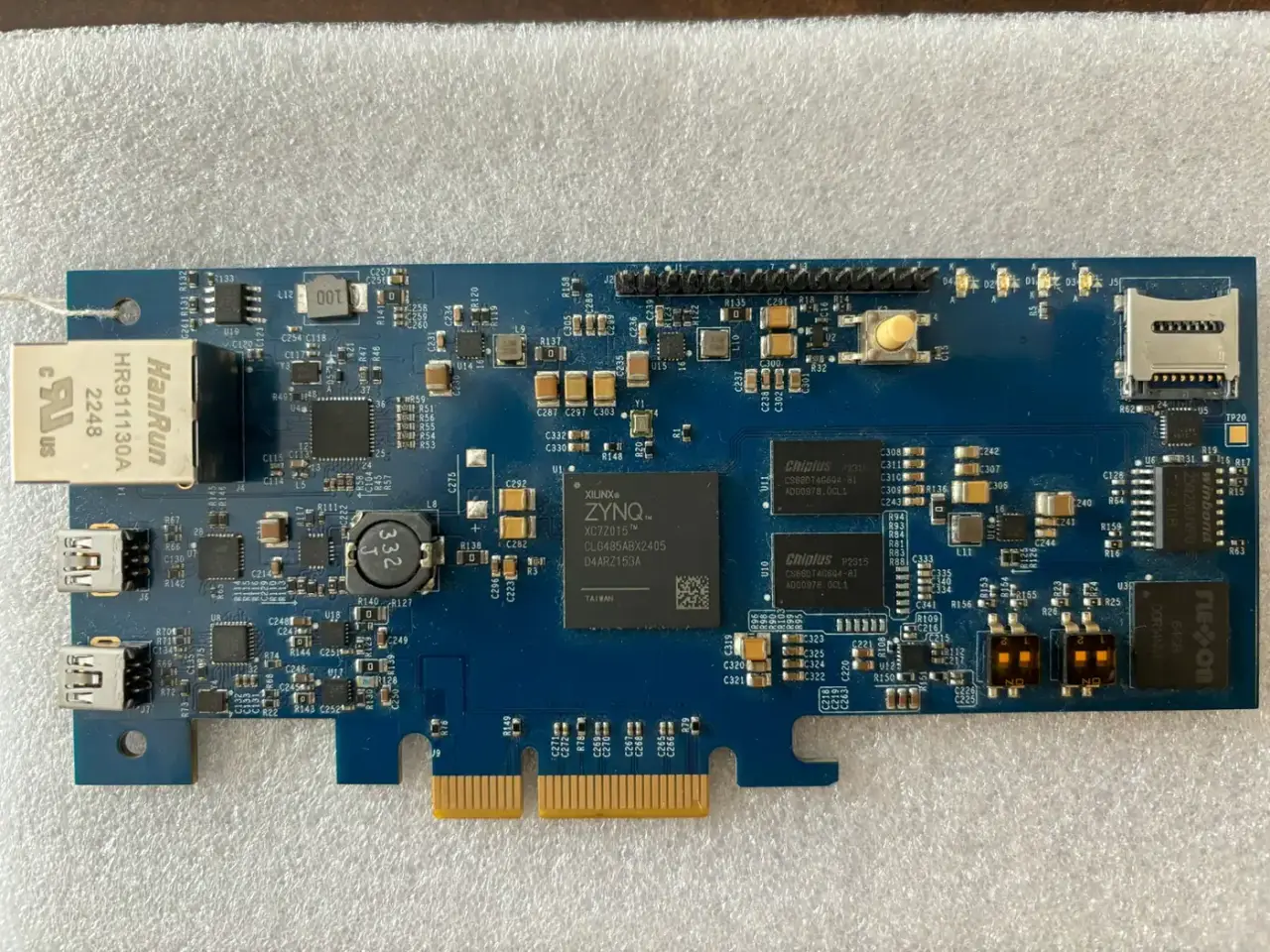
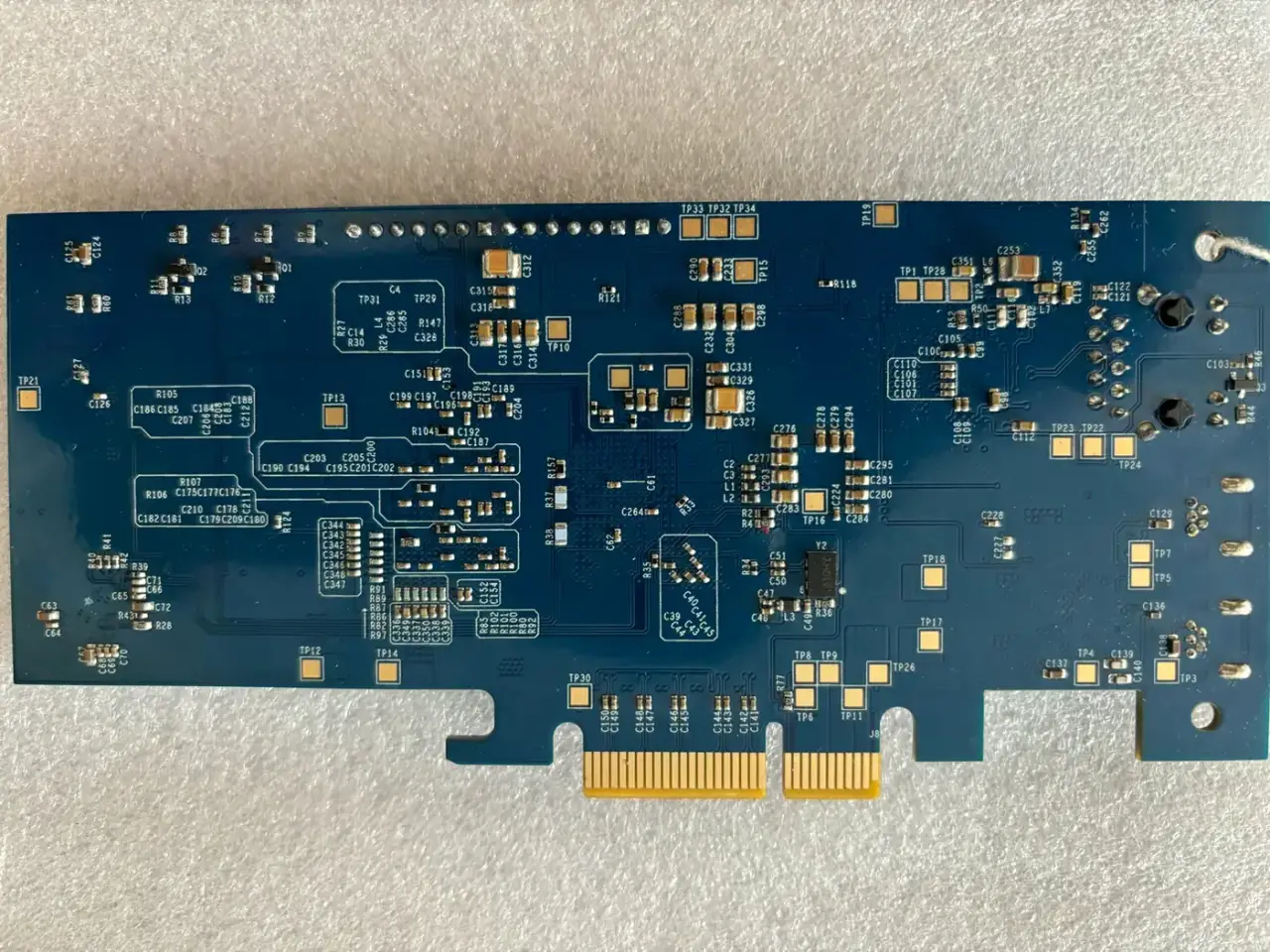
- FPGA Board: Xilinx 10-layer dense board with high-speed data processing capability
- VLSI Design: Custom-designed logic blocks for threat detection algorithms
- Interface: PCIe connector for direct integration with the host motherboard
- Onboard Memory: DDR4 RAM for storing temporary threat data and signatures
Threat Detection Capabilities
The FPGA board is programmed with a suite of cybersecurity algorithms to detect:
- DDoS Attacks: Anomaly-based detection using traffic pattern analysis
- Ransomware: Behavioral analysis of file encryption patterns
- Malware: Signature-based detection with dynamic code analysis
- Backdoor Honeypots: Detection of suspicious communications to hidden services

Implementation
- The FPGA board was designed using VHDL/Verilog and synthesized using Xilinx Vivado Design Suite.
- Threat detection algorithms were implemented using a combination of machine learning models and custom logic blocks.
- The board was tested in a simulated environment with various cyberattack scenarios to validate its detection accuracy and performance.
Results
- Achieved 95% detection accuracy across different threat categories
- Real-time threat detection with latency below 10 microseconds
- Successfully mitigated DDoS attacks without affecting host system performance
- Detecting ransomware encryption patterns within the first 30 seconds of infection
Key Benefits
- Hardware-based security with minimal performance overhead
- Customizable architecture for different cybersecurity applications
- Low-latency detection and mitigation
- Independent operation without reliance on host system resources
Conclusion
Tech4Biz Solutions’ FPGA-based cybersecurity threat detection system represents a significant advancement in the field of hardware-accelerated cybersecurity. By leveraging the high-speed data processing capabilities of the Xilinx board, the system provides real-time, accurate, and independent monitoring of a wide range of cyber threats. This solution is ideal for enterprises seeking to enhance their cybersecurity posture without compromising system performance.
Future Roadmap
- Integration of AI/ML-based adaptive threat detection models
- Expansion of threat signature libraries
- Development of FPGA firmware update mechanisms for continuous improvements
- Collaboration with cybersecurity research communities for enhanced threat intelligence
Source
- Tech4Biz Showcase, collected on 26 November 2026.