Medical Wearable Health Monitoring System
A wearable device that measures vital signs and sends them in real time to a mobile app and cloud storage for remote monitoring.
| Showcase record | |
|---|---|
| Showcase category | Case studies |
| Industry | Healthcare devices |
| Published | 12 December 2017 |
A wearable device that measures vital signs and sends them in real time to a mobile app and cloud storage for remote monitoring.
At a glance
| The problem | Remote care needs continuous monitoring on a device that is light, affordable, energy efficient and reliable. |
| The approach | A compact four-layer board carries heart rate, blood oxygen and temperature sensors, sends data over Bluetooth Low Energy, raises threshold alerts and keeps a history in the cloud. |
| Technology | ESP32, MAX30102 and temperature sensors, ESP-IDF firmware, a Flutter app and Firebase. |
| Reported results | 98 percent accuracy for heart rate and blood oxygen compared with medical-grade devices; alerts in under 5 seconds; positive feedback from pilot users. |
Project Background
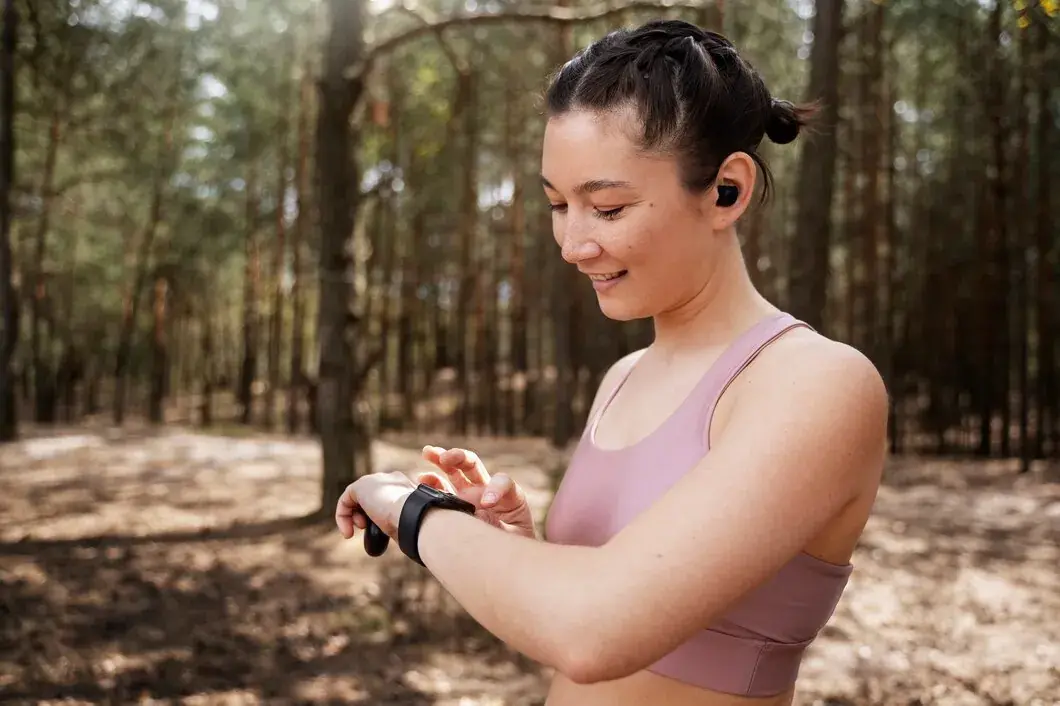
With the growing need for remote healthcare solutions, especially after the pandemic, continuous health monitoring systems have become essential for both patients and healthcare providers. Tech4Biz Solutions aimed to design a cost-effective, energy-efficient, and reliable wearable device that can monitor vital signs and transmit data in real-time to a mobile application and cloud storage platform.
Objective
The primary objectives of the project were to:
- Develop a lightweight and compact wearable device for health monitoring.
- Enable real-time data transmission using BLE (Bluetooth Low Energy).
- Store health data in the cloud for remote access.
- Provide emergency alerts to caregivers based on abnormal readings.
- Ensure compliance with medical-grade safety and quality standards.
Solution Architecture
Hardware Design
- Microcontroller: ESP32 with dual-core processor and BLE/Wi-Fi capabilities.
- Sensors:
- Heart rate sensor (MAX30102)
- SpO2 sensor (MAX30102)
- Temperature sensor (LM35 or DS18B20)
- PCB Design: 4-layer board with RoHS compliance and medical-grade materials.
- Battery: Rechargeable Li-ion battery with power management circuitry.
Mobile Application
- Platform: Android and iOS
- Communication: BLE library for real-time data transfer
- Alerts: Emergency notifications based on threshold values
- Data Visualization: Graphical representation of health data with historical logs
- Cloud Storage: Firebase-based backend for remote data access
Cloud Infrastructure
- Real-time data storage with Firebase Realtime Database
- Secure user authentication
- Historical data analysis for health trend tracking
Implementation
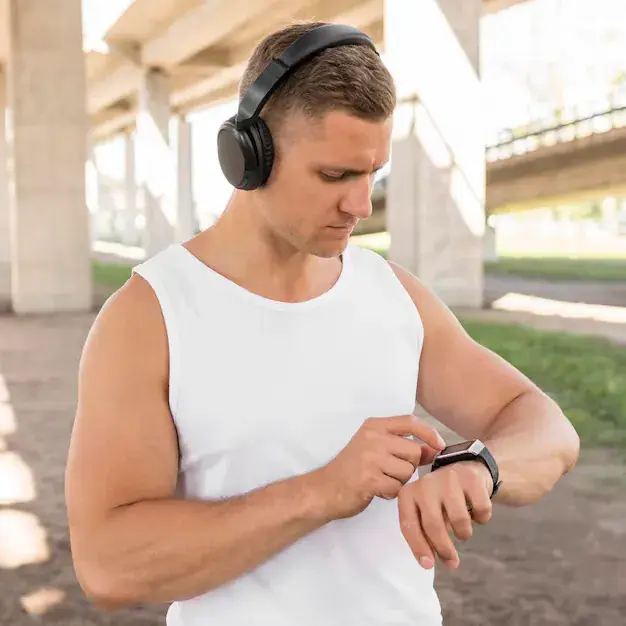
- The PCB board was designed using Altium Designer.
- Firmware was developed using ESP-IDF framework.
- The mobile application was built using Flutter for cross-platform compatibility.
- Cloud integration was implemented with Firebase SDK.
- The system underwent rigorous testing in a controlled environment to ensure sensor accuracy and wireless communication stability.
Results
- 98% accuracy in heart rate and SpO2 measurements compared to medical-grade devices.
- Real-time alerts with response time below 5 seconds.
- Seamless BLE communication with low power consumption.
- Positive feedback from pilot users for comfort, ease of use, and reliability.
Key Benefits
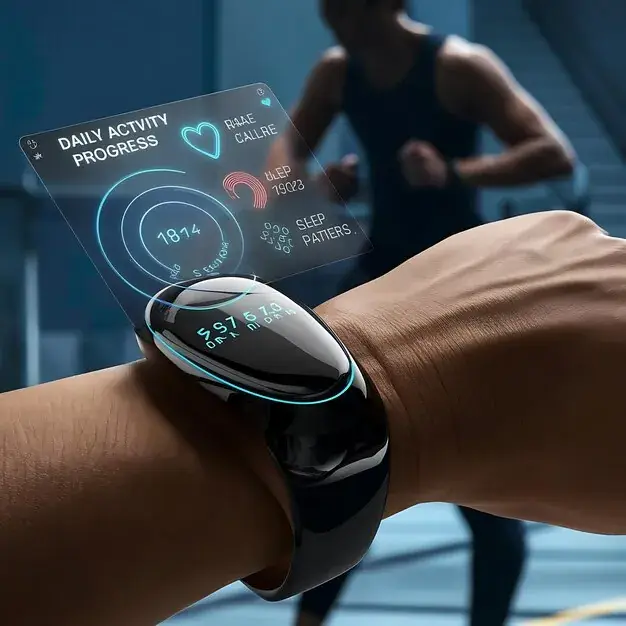
- Continuous remote health monitoring
- Real-time emergency alerts
- Cloud-based data storage and access
- Energy-efficient design with long battery life
- Easy-to-use mobile application
Conclusion
Tech4Biz Solutions’ medical wearable health monitoring system provides a reliable, affordable, and scalable solution for remote patient monitoring. With high measurement accuracy, seamless BLE connectivity, and cloud-based data storage, the system enhances both patient safety and healthcare efficiency. The device is well-suited for elderly care, chronic disease management, and personal fitness tracking.
Future Roadmap
- Integration of ECG sensors for advanced cardiac monitoring
- AI-based health anomaly detection
- Extended battery life through optimized power management
- GDPR-compliant data privacy mechanisms
- Collaboration with healthcare providers for large-scale deployments
Source
- Tech4Biz Showcase, collected on 26 November 2026.