Real-Time Threat Detection in Oil & Gas Pipelines
This case study covers real-time detection of cyber threats on the control networks of a multinational operator's oil and gas pipelines.
| Showcase record | |
|---|---|
| Showcase category | Case studies |
| Industry | Oil and gas |
| Published | 18 December 2020 |
This case study covers real-time detection of cyber threats on the control networks of a multinational operator's oil and gas pipelines.
At a glance
| The problem | Little visibility into network traffic left pipeline control systems open to manipulation, with safety, environmental and supply risks. |
| The approach | Deep packet inspection of industrial protocols such as Modbus and OPC, live monitoring dashboards, and intrusion detection and prevention that blocks suspicious traffic. |
| Main difficulties | The size of the network, the volume of inspection data and limited integration with legacy equipment. |
| Outcome and next steps | The study reports no measured results. It recommends adding pressure and flow monitoring, updating detection rules and yearly penetration tests. |
Client Background
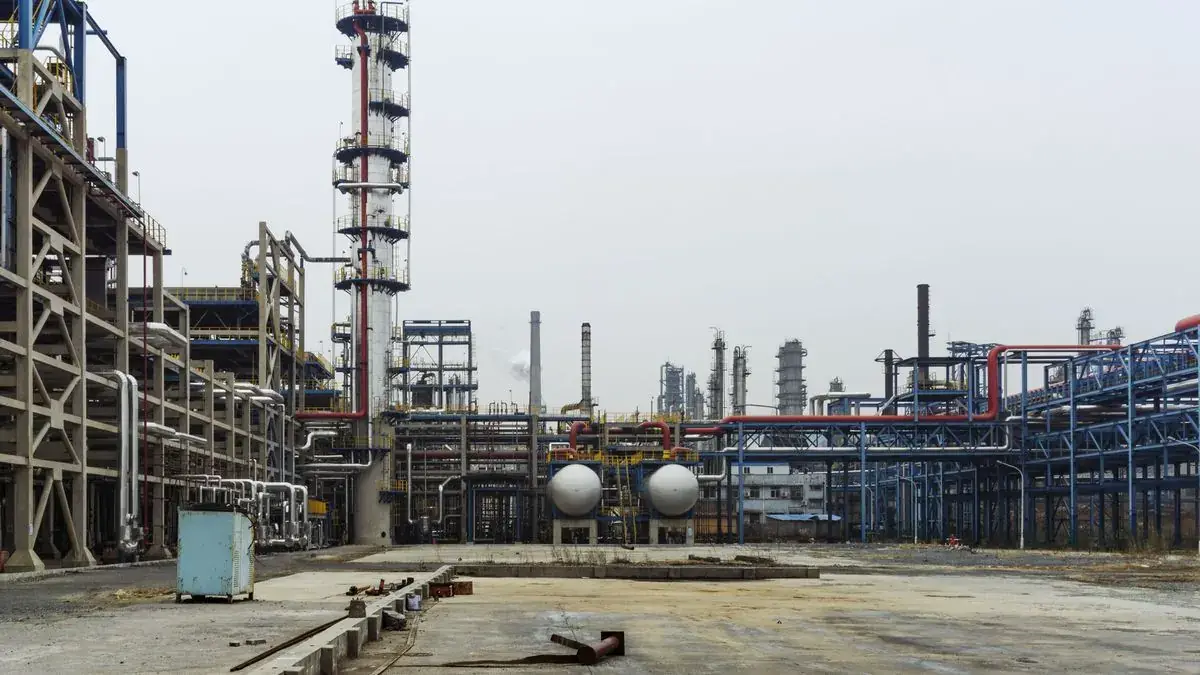
A large multinational corporation in the oil and gas sector, managing several critical pipeline networks across various geographies. The client operates in high-risk areas, making it a prime target for cybercriminals attempting to disrupt operations or manipulate pipeline controls.
Problem Statement
The client’s pipeline network was vulnerable to cyber threats, especially regarding real-time manipulation of control systems. The lack of visibility into network traffic and inadequate security measures left the client exposed to potential environmental hazards and supply chain disruptions.
Suggested Solution
Working with a certified ISO 27001 and IEC 62443-compliant partner, we proposed enhancing the client’s real-time threat detection capabilities by implementing deep packet inspection (DPI) for ICS protocols. This would provide improved visibility into the OT network and allow the client to detect and mitigate malicious activity before it could affect operations.
Technical Implementation
- Deployed deep packet inspection (DPI) systems on all pipeline networks, focusing on ICS protocols such as Modbus and OPC.
- Set up real-time monitoring dashboards to track network activity and identify anomalies.
- Integrated intrusion detection and prevention systems (IDPS) to automatically block suspicious traffic.

Challenges Encountered
- The sheer scale of the pipeline network posed challenges in ensuring comprehensive coverage across all OT assets.
- Managing the volume of data generated by DPI systems without overwhelming the existing IT infrastructure.
- Limited integration capabilities between legacy OT systems and modern cybersecurity tools.
Client's Collaboration and Support in the Process
The client’s engineering team played a pivotal role in the deployment by providing access to critical infrastructure and collaborating on system testing. The success of the deployment relied heavily on the client’s detailed knowledge of their OT environment, which allowed for a tailored solution.
Suggestions for the Future
- Expand real-time monitoring to include environmental factors such as pressure and flow data, which could indicate potential threats.
- Regularly update threat detection protocols and security signatures to stay ahead of evolving cyberattack techniques.
- Conduct an annual penetration test to assess the strength of OT network defenses.

Source
- Tech4Biz Showcase, collected on 26 November 2026.