Revamping IoT Connectivitywith Redesigned BLE Board
This case study describes the redesign of a Bluetooth Low Energy board used to monitor temperature, humidity and smoke, for which no documentation or design files existed.
| Showcase record | |
|---|---|
| Showcase category | Case studies |
| Industry | IoT hardware |
| Published | 22 April 2018 |
This case study describes the redesign of a Bluetooth Low Energy board used to monitor temperature, humidity and smoke, for which no documentation or design files existed.
At a glance
| The problem | An IoT device maker needed to modernise its STM32-based board, but its behaviour was undocumented. |
| The approach | The original board was reverse engineered through extensive testing under varied conditions, then redesigned around the ESP32 while keeping the original dimensions. |
| Technology | STM32 (original design), ESP32 (redesign) and Bluetooth Low Energy. |
| Reported outcome | The study reports added features, more stable connectivity and fewer costly redesign cycles. It gives no measured figures. |
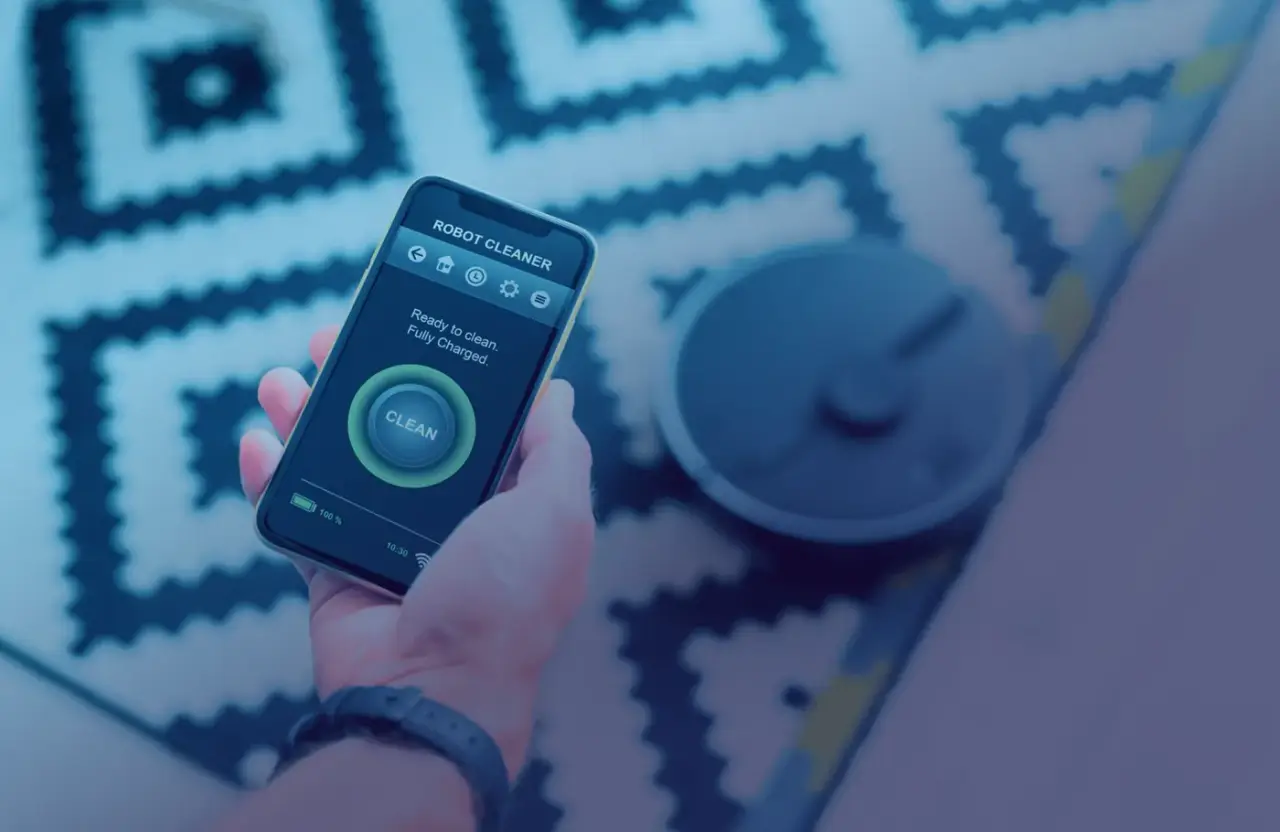
A Case Study on Revamping BLE Board Technology for Enhanced Efficiency and Reliability
Embark on a journey of innovation and precision engineering as we delve into the intriguing tale of how our team tackled the daunting challenge of modernizing an IoT device manufacturer's existing BLE Board (STM32).
Overcoming the absence of documentation and design files, we navigated uncharted territories, meticulously reverse engineering the original board to craft a cutting-edge solution.
Join us as we unravel the complexities, triumphs, and invaluable lessons learned during this transformative endeavor in IoT device control.
Client Background
Our client, a leading IoT device manufacturer, faced a daunting challenge: modernizing their existing BLE Board (STM32) used for controlling and monitoring parameters like temperature, humidity, and smoke in IoT devices. Complicating matters, the client provided no proper documentation or design files, leaving us to decipher the board’s functionality from scratch.
Problem Statement
Our client, a leading IoT device manufacturer, found themselves in a unique predicament. Despite the pressing need to modernize their existing BLE Board (STM32) for controlling and monitoring crucial parameters like temperature, humidity and smoke in IoT devices, they encountered significant obstacles. The primary challenge stemmed from the glaring absence of proper documentation and design files pertaining to the original BLE board. This lack of documentation not only hindered progress but also discouraged potential service providers from undertaking the project. The absence of documentation posed a critical roadblock, as it prevented a comprehensive understanding of the board’s functionality and behavior. Without clear insights into the inner workings of the existing STM32-based board, the client risked compromising the integrity and effectiveness of the redesign. Furthermore, the urgency of the project demanded swift action, yet the prevailing uncertainty surrounding the board’s specifications and intricacies deterred prospective partners from committing to the task. In essence, the lack of documentation and design files presented a formidable challenge, hindering progress and stifling innovation. Addressing this challenge required a strategic approach, meticulous testing and a steadfast commitment to reverse engineering the existing board to ensure a seamless transition to the redesigned version.
Solution Overview
To tackle the challenge head-on, we embarked on an exhaustive reverse engineering and testing process. Our goal was to unravel the complexities of the original BLE board and ensure a seamless transition to the redesigned version.
Technical Implementation
Event-Driven Architecture
We conducted extensive testing on the original BLE board, meticulously examining its functionality and behavior despite the lack of documentation.
Rigorous testing involved simulating various environmental conditions to gauge the board’s response accurately.
Redesign with ESP32
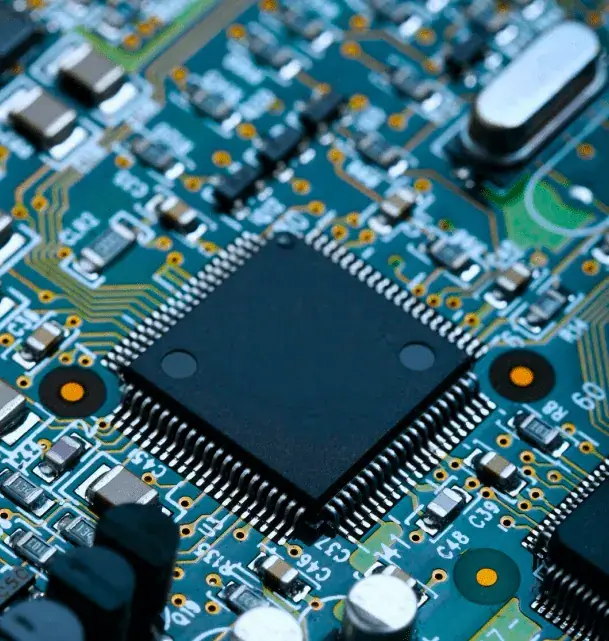
Leveraging ESP32, we redesigned the board, incorporating advanced features while preserving its original dimensions.
The redesign aimed to enhance connectivity, reliability and scalability, addressing the limitations of the previous STM32-based board.

Technical Implementation
Firmware Development
Developing firmware proved challenging due to the complexity of understanding the original board’s logic without documentation. We meticulously examined all use cases and functionalities to ensure seamless integration into the redesigned board.
Challenges Encountered
Lack of Documentation
The absence of proper documentation made it incredibly challenging to understand the original board’s functionality and behavior.
Firmware Development Complexity
Developing firmware was a complex process, necessitating thorough testing of all use cases and understanding the logic implemented on the original board.
Testing Rigor
Testing involved creating various environmental conditions and meticulously observing how both the hardware and mobile app responded, demanding significant time and patience.
Benefits Realized
Enhanced Functionality
The redesigned BLE board offered advanced features and improved connectivity, ensuring reliability and stability across diverse environments. Incorporating ESP32 technology enabled seamless integration with modern IoT ecosystems, facilitating future scalability and expansion.
Cost Savings
Our meticulous approach to testing and documentation during the redesign process helped us avoid costly revisions and redesigns in the future. By eliminating the need for frequent hardware revisions, we saved valuable time, resources and capital for our client.
Improved User Experience
The modernized board and updated mobile app significantly enhanced the overall user experience, driving customer satisfaction and loyalty. Intuitive interfaces and enhanced connectivity empowered users with greater control and flexibility over their IoT devices.
Conclusion
Despite the formidable challenges posed by the lack of documentation, our unwavering commitment to reverse engineering, testing, and redesigning yielded success. By emphasizing thorough testing and documentation, we ensured the reliability and stability of the redesigned board, setting the stage for enhanced performance and user experience in IoT devices.
Please View the case study in the form of pdf
Future Recommendations
Continuous Testing
Implement a robust testing framework to continually monitor the performance and reliability of the redesigned BLE board in real-world conditions. Regular testing ensures that any potential issues or vulnerabilities are identified and addressed promptly, maintaining the integrity and effectiveness of the IoT ecosystem.
Documentation Maintenance
Encourage the client to maintain detailed documentation and design files for future reference and updates. Comprehensive documentation streamlines troubleshooting, facilitates future upgrades, and ensures continuity in development and maintenance efforts.

Source
- Tech4Biz Showcase, collected on 26 November 2026.