Securing a Power Grid Operator from Nation-State Attacks
This case study covers the protection of a national power grid operator's SCADA and industrial control systems against advanced persistent threats.
| Showcase record | |
|---|---|
| Showcase category | Case studies |
| Industry | Power grid |
| Published | 2 November 2023 |
This case study covers the protection of a national power grid operator's SCADA and industrial control systems against advanced persistent threats.
At a glance
| The problem | Threat groups were targeting weaknesses in SCADA systems, with the potential to disrupt power distribution. |
| The approach | Intrusion and anomaly detection on control network traffic, a segmented architecture that isolates critical systems, and a threat hunting playbook, developed with a specialist partner. |
| Main difficulties | Resistance to change in a complex estate, keeping the grid running during deployment and tuning detection for control system traffic. |
| Outcome and next steps | The study reports no measured results. It recommends machine learning detection, regular audits and penetration tests, and staff training. |
Client Background
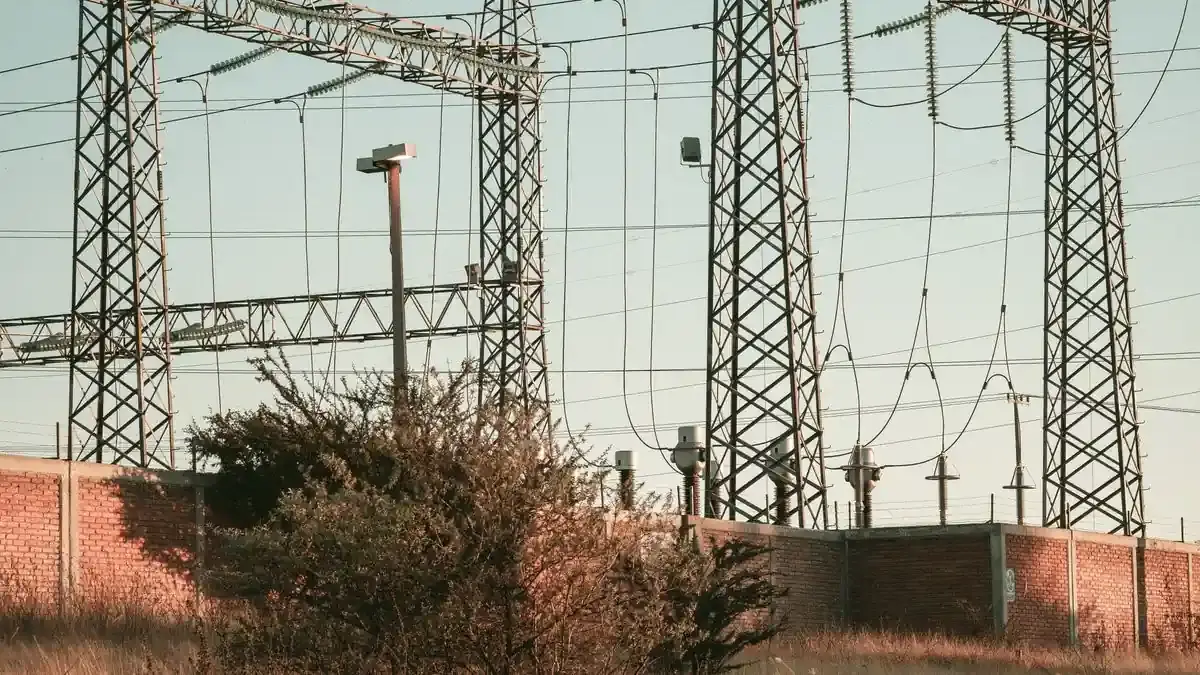
A critical national power grid operator responsible for distributing electricity across a vast region. The client operates under stringent government regulations and requires robust protection against cyber threats, especially advanced persistent threats (APT) targeting SCADA and ICS systems.
Problem Statement
The client faced ongoing cyber threats from APT groups with a focus on exploiting vulnerabilities in SCADA systems. These attacks could potentially disrupt power distribution, resulting in significant operational and financial losses, along with reputational damage.
Suggested Solution
In collaboration with a NERC-CIP-certified partner, we proposed implementing advanced cybersecurity measures tailored specifically for industrial control systems. These included the deployment of intrusion detection systems (IDS) for ICS protocols, network segmentation, and the creation of a threat hunting playbook to proactively identify and eliminate potential attacks before they could cause harm.
Technical Implementation
- Integrated intrusion detection systems (IDS) and anomaly detection tools to monitor ICS network traffic.
- Established a segmented network architecture, ensuring that critical OT systems remained isolated from other network components.
- Developed a comprehensive threat hunting playbook, aligned with industry best practices, to provide proactive monitoring and detection.


Challenges Encountered
- Resistance to change within the operational teams due to the complexity of the power grid’s existing infrastructure.
- Ensuring minimal disruption to the grid’s operations during system updates and deployments.
- Overcoming technical challenges in configuring IDS tools that could accurately analyze ICS traffic.
Client's Collaboration and Support in the Process
The client was proactive in providing the necessary access to critical systems and collaborating closely with the engineering teams. They provided detailed documentation of the existing infrastructure, which enabled us to design a tailored solution. Regular feedback sessions ensured that both teams were aligned throughout the deployment process.
Suggestions for the Future
- Continue enhancing threat detection capabilities by incorporating machine learning algorithms to identify emerging threats.
- Regularly conduct security audits and penetration testing to validate the effectiveness of security controls.
- Invest in ongoing employee training to improve awareness of cyber threats and enhance overall cybersecurity posture.

Source
- Tech4Biz Showcase, collected on 26 November 2026.